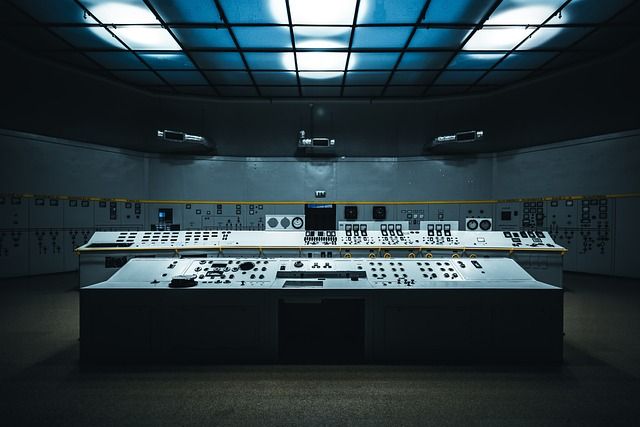
Tractor Supply opened a new distribution centre in Idaho built around automation and a dedicated AI team, an arrangement that puts the model owners inside the building rather than in a distant headquarters. The combination is unusual: most retailers centralise data science and treat distribution centres as execution sites. Placing an AI team at the facility changes the feedback loop, because the people who tune forecasting and replenishment can watch the consequences on the floor the same day rather than reading them in a weekly report.
Key Conclusions
First, the organisational placement of an AI team matters more than its size. dedicated AI team(Retail Dive) inside a distribution centre shortens the distance between a model change and its operational effect, which is the single biggest determinant of whether a model gets used. Retail AI programmes usually fail on adoption rather than accuracy, and adoption depends on whether floor staff trust the output enough to act on it without escalating.
Second, automation only pays when the surrounding process is redesigned rather than digitised. Supply Chain Dive documents record peak surcharges in parcel networks, which raises the cost of every mis-picked order and every late dispatch. A facility that adds robotics but keeps its original wave planning captures only part of the benefit, because the constraint simply moves from picking to staging or from staging to loading.
Why the Team Sits in the Building
Putting the team in the building solves a specific problem that centralised teams struggle with: the gap between a metric and a behaviour. A forecast accuracy number reported weekly tells a data scientist little about why a particular aisle ran out of a fast-moving item on a Tuesday. Standing on the floor, the same person can see that the constraint was a dock door, not the forecast, and adjust the model's features accordingly.
Feedback Latency as a Design Choice
Feedback latency is a design choice, and it is usually made by accident. When model owners sit at headquarters, the loop between a prediction and its outcome runs through reporting cycles, which means days or weeks. When they sit at the site, the loop can run within a shift. Shortening latency does not require better algorithms; it requires placing the person who can change the algorithm where the outcome is visible, and giving them authority to change it.
Trust Is Built on Visible Wins
Trust between floor staff and a model is built on visible wins rather than on documentation. A replenishment recommendation that consistently prevents a stockout in a high-traffic aisle earns credibility that no training session can create. This is why early deployments should target a narrow, high-visibility problem where success is obvious, and why expanding scope too quickly destroys the trust that the first win created.
Best Practices
Three practices make an on-site AI team effective. Give it authority over a defined set of decisions, measure it on operational outcomes rather than model metrics, and rotate floor staff through the team so the knowledge flows in both directions. The third practice is the one most often skipped, and it is also the one that decides whether the team understands the constraints it is optimising against.
Define the Decision Authority
Defining decision authority prevents the team from becoming an internal consultancy that recommends but never changes anything. The scope should be explicit: which parameters the team may adjust without approval, which require sign-off, and which are out of bounds. Clear boundaries also protect the operation, because a team with unlimited authority can destabilise a facility in pursuit of a metric, and recovery from that takes longer than the original gain.
Measure Operational Outcomes
Measuring operational outcomes rather than model metrics keeps the team honest. Forecast accuracy is a means; the ends are stockout rate, order cycle time, labour hours per unit shipped and cost per order. A team evaluated on accuracy can improve the number while the floor gets worse, because accuracy on low-value items is easy to raise and irrelevant to the operation. Outcome metrics align the team with the facility's actual constraints.
Common Mistakes
The first mistake is treating the on-site team as a support function that responds to tickets. A ticket-driven team optimises for closing requests rather than for improving the system, and it never gets to the structural work that produces most of the value. The second mistake is hiring only data scientists; a facility team needs someone who understands conveyor constraints, labour scheduling and safety rules, or the models will be technically sound and operationally naive.
The third mistake is scaling the model before the process is stable. Automation amplifies whatever the process already does, including its defects. A facility that adds automated picking while its receiving process is inconsistent will simply create a faster path to the wrong inventory position. Stabilising the process first, then automating, produces a lower peak throughput in month one and a much higher one in month twelve.
What It Means for Network Design
An AI-enabled distribution centre changes the economics of the surrounding network. Supply Chain Dive shows retailers experimenting with alternative delivery modes into new metros, and each mode depends on a node that can absorb variable volume without proportional labour. A facility that can flex its throughput through better forecasting and scheduling makes more delivery experiments viable, because the fixed cost of the node is spread across more use cases.
The second network effect is on inventory positioning. When a facility can predict demand at item level with shorter latency, the network can hold less safety stock at each node and rely on faster replenishment between them. That shift reduces total inventory but increases the importance of transport reliability, because there is less buffer to absorb a late truck. Facilities that pair forecasting capability with transport visibility capture the inventory benefit; those that improve only one side simply move the risk.
Summary
Tractor Supply building automation and a dedicated AI team into its Idaho distribution centre is an organisational bet as much as a technology one. Placing model owners where outcomes are visible shortens feedback latency and builds the trust that adoption depends on, and that trust is what converts a forecasting improvement into a change in how the floor actually runs.
The transferable rules are unglamorous: define decision authority, measure operational outcomes, mix operational and analytical skills, and stabilise the process before scaling automation. Retailers that treat an AI team as a capability embedded in operations get compounding returns; those that treat it as a support desk get a queue of tickets and a dashboard nobody uses.
Data Sources
1. Retail Dive: Tractor Supply opens Idaho distribution center with automation, dedicated AI team
2. Supply Chain Dive: FedEx, UPS delivery prices set for record-high Q4
3. Supply Chain Dive: Walmart to expand Wing drone delivery to Denver, Seattle
FAQ
Why place an AI team inside a distribution centre?
A: It shortens the loop between a model change and its operational effect, so the people who tune forecasting can see consequences within a shift instead of a reporting cycle.
What should the team have authority over?
A: An explicit set of parameters it may adjust without approval, plus a clear list requiring sign-off, so it can act without destabilising the facility.
Why measure operational outcomes instead of accuracy?
A: Accuracy on low-value items is easy to raise and irrelevant to the floor; stockout rate, cycle time and cost per order align the team with real constraints.
What skills does a facility team need?
A: A mix of analytical and operational skills, including conveyor constraints, labour scheduling and safety rules, or models will be sound but naive.
Should automation come before process stability?
A: No. Automation amplifies existing defects, so stabilising receiving and wave planning first produces lower peak throughput initially and much higher throughput later.
How does this affect network inventory?
A: Shorter forecast latency allows less safety stock at each node, but raises dependence on transport reliability, so forecasting and transport visibility must improve together.
References
1. Retail Dive: Tractor Supply opens Idaho distribution center with automation, dedicated AI team
2. Supply Chain Dive: FedEx, UPS delivery prices set for record-high Q4
3. Supply Chain Dive: Walmart to expand Wing drone delivery to Denver, Seattle