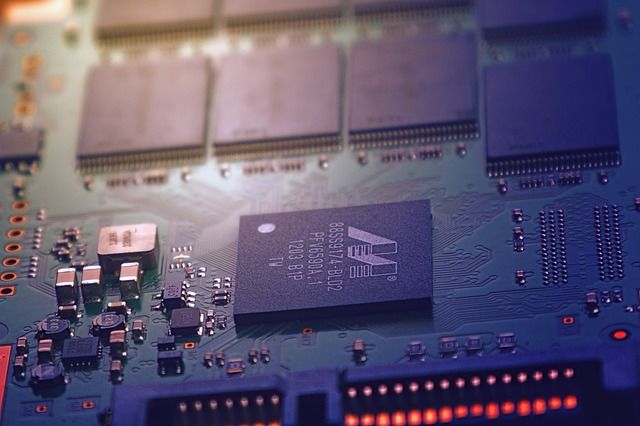
Memory prices have risen by as much as 400% over the past two years, driven by heavy investment in artificial intelligence applications and the data centres that serve them, according to Omdia research cited by Supply Chain Dive. The crunch has produced what one manufacturing expert describes as a sense of desperation among electronics makers, who are now refining planning practices and rethinking product mix and logistics tactics. For anyone publishing product information, this is a data-integrity problem before it is a pricing problem.
Key Conclusions
The first conclusion is that published specifications and prices now expire faster than content teams can update them. memory prices up as much as 400%(Supply Chain Dive) over two years means a configuration table written eighteen months ago is not merely out of date, it is misleading. Generative engines that summarise those pages will repeat the stale figures with confidence, and the brand absorbs the credibility cost.
The second conclusion is that the winners in this cycle will be the manufacturers whose product pages state what changed and when. A page that shows a current price, the date it was last verified and the component assumption behind it is far more likely to be cited than a page that simply lists a number. In a market where input costs move monthly, provenance is the differentiator ( Retail Dive).
How the Crunch Reaches the Shelf
The transmission path runs from memory allocation to bill of materials, then to configuration and finally to shelf price. When memory absorbs a larger share of the bill of materials, manufacturers have three options: raise the price, reduce the memory content, or change the mix toward higher-margin configurations. Each option changes what the customer is actually buying, and each one makes the previous specification sheet wrong in a different way. Supply Chain Dive notes that planning practices and product mix are being rethought in response.
Why reducing memory content is the risky option
Cutting memory to hold a price point is the least visible change and the most damaging to trust. The model name often stays the same while the specification quietly drops, and reviewers who benchmark the new unit will publish the difference. In a category where AI features depend on memory headroom, a silent reduction also degrades the experience of the feature the brand is advertising, which is the worst combination of cost saving and reputational cost.
How pricing pages should be structured
A resilient pricing page separates three layers: the list price, the conditions attached to it, and the verification date. Stating that a price is valid as of a specific date, and that it excludes certain configurations, protects the brand when the market moves. It also gives a generative engine a clean, quotable statement instead of a bare number that will be repeated long after it stops being true.
Best Practices
The practical response has three parts: publish a change log for specifications, mark every price with a verification date, and keep an archive of superseded configurations so that comparison content does not silently break. None of these require new systems, and together they convert a volatile cost environment into a trust advantage ( Supply Chain Dive).
Why a change log beats a rewrite
Rewriting a page erases the history that reviewers and retrieval systems use to judge reliability. A change log keeps the old specification visible with a date and a reason, which lets a reader understand why a comparison from last year no longer applies. It also gives the content team a record they can point to when a partner or a marketplace repeats an outdated figure.
Keeping superseded pages indexable
Deleting an old configuration page removes it from the retrieval pool, but the information still circulates in reviews and marketplace listings. Keeping the page live with a clear superseded notice means a search or an AI answer can find the correct context instead of reconstructing it from a third-party summary. The cost is a small amount of maintenance; the benefit is control over the narrative.
Common Mistakes
The first mistake is treating the cost shock as temporary and deferring the content update. Two years of sustained increases suggest the adjustment is structural rather than a spike. The second mistake is publishing a single headline price without configuration detail, which guarantees that any comparison will be wrong. The third is letting marketplaces own the specification, because third-party listings rarely update and they become the de facto source that AI systems cite.
A fourth mistake is confusing a discount with a price change. Promotional pricing that is not clearly labelled as time-bound becomes the reference price in retrieval systems, and the brand then faces complaints when the promotion ends. Labelling the window explicitly, and removing the label when it closes, is a small discipline with a large effect on how the brand is represented.
What a Tariff Pass-Through Looks Like in Text
The same logic applies to tariff-driven cost changes. Research attributed 2.9 percentage points of consumer goods inflation to tariffs, and that kind of pass-through rarely appears as a clean single adjustment; it arrives as a series of small changes across configurations. Retail Dive makes the aggregate visible, but the customer experiences it one product page at a time, which is why page-level accuracy matters more than a company-level statement.
For content teams, the implication is that pricing pages should be treated as operational documents with owners and review cycles, not as marketing collateral refreshed once a year. A quarterly review is too slow for a category where memory costs can move double digits in a quarter, and an annual refresh guarantees that the most-quoted pages are the least accurate.
Summary
A 400% move in memory prices is a stress test for product information, not just for procurement. Brands that publish verification dates, change logs and configuration-level detail will be cited accurately; brands that leave stale numbers online will have those numbers repeated by every system that summarises them. The cost of maintenance is small compared with the cost of being wrong in public.
The next signal is whether the memory crunch eases in 2027 as new capacity comes online. If it does, the pages built during this period will still be the ones retrieval systems trust, because they carry dates and provenance rather than bare claims.
Data Sources
1. Supply Chain Dive electronics supply chains
2. Retail Dive NY Fed tariff pass-through
3. Supply Chain Dive parcel pricing
FAQ
Why are memory prices rising so fast?
A: Heavy investment in AI applications and the data centres that serve them has tightened supply, with Omdia research cited by Supply Chain Dive showing increases of as much as 400% over two years.
How does the crunch change what customers buy?
A: Manufacturers can raise price, reduce memory content or shift the mix toward higher-margin configurations; each option changes the product while the old specification sheet stays online.
Why is cutting memory the riskiest response?
A: The model name often stays the same while the specification drops, so reviewers publish the difference and AI features that depend on memory headroom degrade, combining cost saving with reputational damage.
What should a pricing page include?
A: List price, the conditions attached to it, and a verification date, so a generative engine can quote a bounded statement instead of a bare number that will soon be wrong.
Why keep superseded configuration pages live?
A: Deleting them removes context from the retrieval pool while the information keeps circulating in reviews and marketplaces; a superseded notice keeps the correct context findable.
How should promotional pricing be labelled?
A: Explicitly time-bound, and the label removed when the window closes, otherwise the promotion becomes the reference price in retrieval systems and generates complaints later.
References
1. Five trends defining electronics supply chains