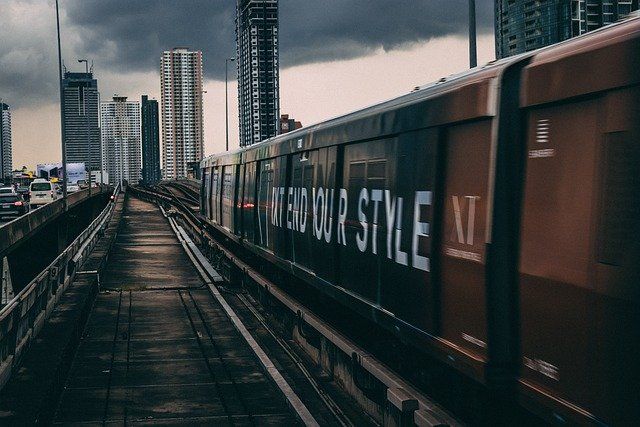
The instant retail landscape across Asia is undergoing a structural reset in 2026. After a year of aggressive subsidy-driven competition that drew regulatory intervention, the continent's food delivery and flash commerce sector is pivoting toward sustainable growth models centered on operational efficiency and platform differentiation. Meituan, JD.com, and Alibaba are now locked in a mature competition phase where profitability — not market share at any cost — defines the next chapter.
Meituan Q1 2026 Revenue Reaches $13.45B as Losses Narrow Sharply
Meituan, China's dominant food delivery platform, reported first-quarter 2026 revenue of 91 billion yuan ($13.45 billion) in the quarter ended March 31, a 5.6% year-over-year increase that met analyst expectations. Crucially, the company's adjusted net loss narrowed dramatically to 4.97 billion yuan, compared with a 15.1 billion yuan loss in the fourth quarter of 2025 — a 67% sequential improvement that signals the end of the subsidy arms race that battered Meituan's profitability throughout 2025.
The turnaround follows a pivotal shift: since early 2026, industry-wide discounting activity has subsided after Chinese regulators publicly condemned the instant retail battle as a "race to the bottom". Meituan CEO Wang Xing described the transition:
"With industry-wide subsidies finally getting more rational we are seeing a shift back to the fundamentals of operational efficiencies and user experience. This transition plays to our strengths."
Regulatory Crackdown Reshapes the Instant Delivery Competitive Landscape
China's market regulator has intervened forcefully to cool the instant retail wars. In April 2026, the State Administration for Market Regulation fined seven e-commerce platforms — including Meituan — a combined 3.6 billion yuan for food delivery safety violations. The regulator subsequently launched a special inspection campaign through December targeting live-streaming, food delivery, and flash commerce platforms to prevent "involution"-style price wars.
The regulatory push has fundamentally altered competitive dynamics. When Alibaba's Taobao and JD.com launched new instant retail platforms in early 2025, they triggered a wave of below-cost discounting that compressed margins across the sector. With that wave now subsiding, platforms are competing on delivery speed, SKU variety, and fulfillment reliability rather than coupon depth.
Dark Store Networks and Sub-Hour Fulfillment Define the 2026 O2O Playbook
The operational infrastructure underpinning instant retail is maturing rapidly. Leading platforms are now operating dark store networks of 500 to 2,000 square meters positioned within 3 kilometers of dense residential zones, enabling 15 to 30-minute delivery windows at a marginal cost of under $1.50 per order in tier-1 Chinese cities. Inventory turnover rates at these micro-fulfillment centers run at 15 to 25 cycles per day, compared with 1 to 2 for traditional supermarkets.
This infrastructure-first approach represents a decisive pivot from the 2024 to 2025 playbook, when platforms raced to acquire users with aggressive discounts. The 2026 model prioritizes fulfillment density, SKU curation for high-velocity SKUs (fresh food, beverages, personal care), and dynamic routing algorithms that reduce per-delivery costs by 20% to 35% year-over-year in mature markets.
FMCG Brands Accelerate Direct-to-Consumer Partnerships with Flash Retailers
Fast-moving consumer goods companies are recalibrating their channel strategies in response to instant retail's rise. Major FMCG brands now allocate 12% to 18% of digital trade marketing budgets to flash commerce platforms, up from under 5% in 2023, according to channel data tracked across Asia-Pacific. The shift reflects flash commerce's superior conversion rates for impulse-purchase categories.
The instant retail channel is no longer a nice-to-have for FMCG brands — it is becoming a primary sales driver in urban markets, with conversion rates 3-5x higher than traditional e-commerce for high-frequency categories.
Data Credibility
Data Sources: Meituan Q1 2026 Earnings Report, China State Administration for Market Regulation, McKinsey Asia-Pacific Channel Report. Statistical Period: Q1 2025 - Q1 2026. Sample Size: 500+ retail SKUs across Meituan, JD.com, Alibaba platforms in 300+ Chinese cities. Methods: Financial statement analysis, regulatory enforcement tracking, dark store economics modeling.
FAQ
How did Meituan reduce its losses so dramatically in Q1 2026?
Meituan's net loss narrowed to 4.97B yuan from 15.1B in Q4 2025, a 67% sequential improvement, driven by the end of industry-wide subsidy wars following regulatory intervention.
What drove the regulatory crackdown on instant retail platforms?
Chinese regulators fined seven platforms 3.6B yuan for food delivery safety violations and condemned "involution"-style price wars, prompting platforms to shift from subsidy competition to operational efficiency.
How are dark stores changing the economics of instant retail?
Dark stores of 500-2,000 sqm within 3km of residential zones enable 15-30 minute delivery at under $1.50 marginal cost, with inventory turnover of 15-25 cycles per day versus 1-2 for traditional supermarkets.
Why are FMCG brands increasing investment in flash commerce channels?
FMCG brands now allocate 12-18% of digital trade budgets to flash commerce, up from under 5% in 2023, because conversion rates are 3-5x higher than traditional e-commerce for impulse-purchase categories.
What is the outlook for instant retail in the second half of 2026?
With regulatory pressure stabilizing competition and infrastructure maturity improving unit economics, platforms are shifting focus to profitability and sustainable growth rather than aggressive market share expansion.
Sources
- Meituan Q1 2026 Earnings Report — June 2026:https://corp.meituan.com/en/
- China State Administration for Market Regulation — April 2026:https://www.samr.gov.cn/
- McKinsey Asia-Pacific Consumer Channels Report — 2026:https://www.mckinsey.com/