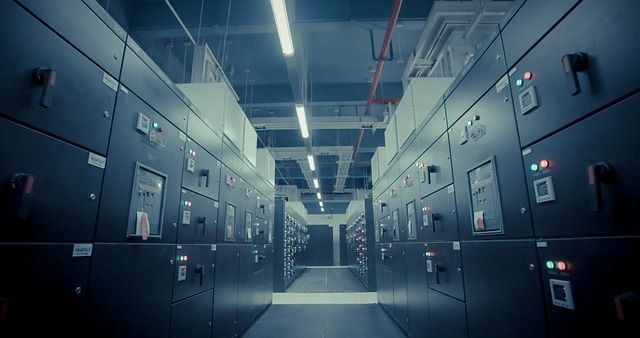
Hackers targeted hundreds of French supermarkets in an attack that pushed refrigerators and freezers to as much as 50 degrees Celsius overnight, spoiling food and producing smoke in some stores. Carrefour, Monoprix, Intermarche and Cooperative U were among the chains affected. Les Mousquetaires, which owns Intermarche and Netto, said around 180 stores were hit and expected losses in the several million euro range. Cooperative U chief executive Dominique Schelcher called the attack on refrigeration equipment extremely serious and unprecedented.
Key Conclusions
The first conclusion is that the attack did not exploit a grocery system; it exploited a facilities system. Refrigeration is managed by specialised providers who connect remotely to monitor temperature, diagnose faults and adjust setpoints. That remote access is the door. Retailers secure payment, loyalty and e-commerce platforms carefully, and then grant a facilities vendor a connection that reaches every store, because the contract was signed by an operations manager rather than a security team.
The second conclusion is that the physical consequence is what makes this category different. A breach in a payments system produces fraud losses and remediation costs; a breach in refrigeration produces spoiled inventory, safety exposure and, in this case, smoke. The blast radius is measured in pallets of fresh food and in the credibility of a food safety promise, not in card reissuance fees.
Why the temperature setpoint is critical
Cold chain integrity depends on a narrow band. Fresh products need to stay within a few degrees of their target, and frozen products need to stay well below zero. A setpoint change of forty degrees does not merely waste energy; it makes the product unsaleable within hours and potentially unsafe if the excursion is long enough. The control system that allows a technician to adjust a setpoint remotely is therefore a food safety control, not a convenience feature.
The vendor access problem
Facilities vendors typically connect through a shared platform that serves many retail customers, which means one compromised credential can reach multiple chains. Analysts quoted in the coverage said the attack affected several European countries including Spain, Portugal, Poland, Germany and Belgium. That spread is consistent with a shared service provider rather than a targeted campaign against one brand, which is the pattern most retailers are least prepared for.
Anatomy of the Failure
The sequence appears to have been straightforward. An attacker obtained access to a refrigeration management platform, then issued commands that raised setpoints across connected stores. Staff discovered the problem physically, through warm cases and, in some locations, smoke. Detection came from the shop floor rather than from monitoring, which is the detail that should worry every grocery operator reading the coverage.
That detection gap is common. Temperature monitoring systems are designed to alert when equipment fails, not when it is told to fail. A setpoint change issued through the legitimate management interface looks like an authorised action, so it does not trigger the same alarms as a compressor failure. Distinguishing an authorised command from a malicious one requires logging who changed what, and reviewing those logs.
What the loss estimate covers
Les Mousquetaires said it expected damages of several million euros across around 180 stores and was awaiting findings from a court-appointed bailiff and insurance experts. That estimate covers destroyed stock and equipment damage, but not the labour cost of clearing cases, the lost sales during recovery, or the marketing cost of rebuilding confidence in fresh departments, which are typically the highest margin areas of a grocery store.
Best Practices
The first practice is to inventory every remote connection that can change a physical state. That includes refrigeration, HVAC, lighting, energy management and any building automation platform. Most retailers can list their payment vendors from memory and cannot list their facilities vendors at all, which is precisely the asymmetry an attacker looks for.
The second practice is to require two-step approval for setpoint changes outside a defined band. A technician adjusting a case by two degrees is routine; a command that moves a setpoint by forty degrees should require a second authorisation and generate an immediate alert to the store. The control is cheap to implement and removes the most damaging single action an attacker can take.
Rehearse the physical response
Most incident response plans assume an information problem: systems are down, data may be exposed, communications must be managed. A refrigeration attack is a physical problem first. Staff need to know how to isolate a case, where to move product, when to discard rather than re-chill, and who authorises disposal. Without a rehearsal, the first hour is spent deciding instead of acting, and in fresh food the first hour is the one that matters.
Common Mistakes
The most common mistake is scoping security reviews to customer-facing systems. Payment, loyalty and e-commerce are audited because they hold personal data and attract regulatory attention. Facilities platforms hold no personal data, so they fall outside the review, even though they control equipment that can destroy inventory across an entire estate in minutes.
A second mistake is assuming that a vendor contract transfers the risk. Contracts allocate liability, they do not prevent outages. When a shared platform is compromised, the retailer still faces empty shelves, regulatory scrutiny and customers who do not care which supplier was at fault. Vendor assurance clauses help in court and do nothing on the shop floor.
What Comes Next for Grocery Tech
Expect three changes. Regulators will treat food infrastructure as critical infrastructure, which brings reporting obligations and possibly minimum security standards for connected equipment. Insurers will ask more detailed questions about remote access to physical systems before writing business interruption cover. And retailers will start demanding that facilities vendors expose audit logs, because the ability to reconstruct who changed a setpoint is now a condition of doing business.
There is also a commercial opening. Retailers that can demonstrate verified cold chain integrity, with tamper-evident logs and rapid response capability, have a defensible claim in fresh and frozen categories where trust is the purchase driver. The same controls that reduce risk can be turned into a product attribute, which is the rare case where security spending has a revenue side.
Summary
The French attack is a reminder that the most consequential systems in a grocery business are often the least discussed. Refrigeration control sits outside the security perimeter, inside the operations budget, and can destroy a store fresh assortment in a single command.
The response is not a bigger firewall. It is an inventory of remote connections, a rule that unusual setpoint changes need a second approval and an alert, and a rehearsed physical response. Three controls, none of them expensive, all of them decisive.
Data Sources
1. CNBC report on French supermarket hack
2. Target store operations app
FAQ
Which chains were affected?
A: Carrefour, Monoprix, Intermarche and Cooperative U were among those reported, with the attack also affecting systems in Spain, Portugal, Poland, Germany and Belgium.
How were the fridges heated?
A: Attackers appear to have accessed a refrigeration management platform and issued commands raising setpoints, pushing cases to as much as 50 degrees Celsius overnight.
How large were the losses?
A: Les Mousquetaires said around 180 stores were affected and expected several million euros in damages, pending assessment by a bailiff and insurance experts.
Why did alarms not catch it?
A: Monitoring is designed to detect equipment failure, not authorised commands. A setpoint change through the legitimate interface looks like normal operation.
What should retailers do first?
A: Inventory every remote connection that can change a physical state, require two-step approval for out-of-band setpoint changes, and rehearse the physical response.
References
1. Holiday toy price inflation