Key Conclusions
In 2026, AI-powered digital shelf monitoring is fundamentally transforming how brands manage their online presence. Unlike traditional manual audits conducted periodically, AI systems enable continuous, automated analysis across dozens of platforms simultaneously. According to Tapestry AI, retailers can now capture shelf data from every till, every shelf, every store, live and get answers in seconds by asking questions in plain English.[1]
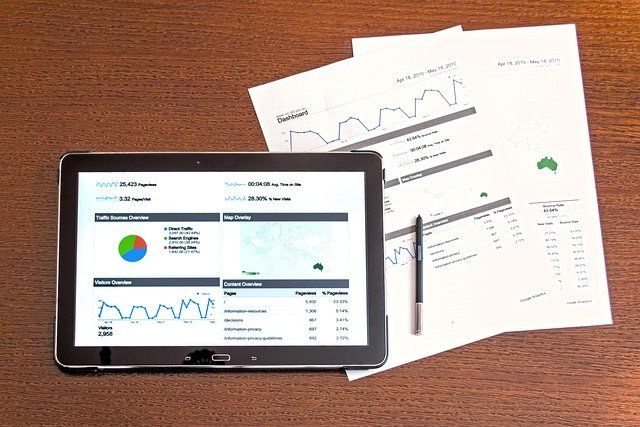
AI-powered shelf monitoring shifts from periodic manual audits to continuous real-time analysis, enabling brands to track product visibility, pricing, and conversion rates simultaneously across dozens of platforms.
Best Practices
The core metrics that matter most in shelf monitoring have evolved beyond simple price tracking. Share of Search (SoS) measures how often a brand appears in relevant search queries relative to competitors - a critical indicator of digital shelf health. Rating tracking monitors consumer perception of quality, and conversion rate trends reveal the true impact of pricing changes on purchase decisions.
AI shelf monitoring systems integrate multiple data sources through API connections with major e-commerce platforms, supplemented by web scraping for marketplace monitoring. Natural Language Processing (NLP) parses product titles and attributes while Computer Vision analyzes product images and packaging. Machine learning models calculate shelf visibility scores and generate actionable alerts.[1]
DataWeave's pricing intelligence solution benchmarks competitor prices across locations, channels, and currencies with AI-powered product matching, enabling brands to detect pricing gaps and MAP violations in near real-time.[1]
Common Mistakes
First, over-focusing on price while ignoring conversion rate - price is only the surface indicator, and the true measure is whether price changes drive measurable shifts in conversion and revenue. Second, monitoring only during crisis moments - reactive monitoring cannot keep pace with rapidly shifting competitive dynamics and platform rule changes. Third, data silos across platforms preventing a unified competitive intelligence view - brands must establish a centralized data integration framework to break down information barriers.
Summary
AI-powered real-time shelf monitoring has become a core capability for O2O brand operations in 2026. By achieving full platform coverage and intelligent analysis, brands can shift from reactive to proactive, identifying issues before they impact sales. This is not merely an efficiency tool but a strategic asset - the sophistication of a monitoring infrastructure directly determines competitive position.
Data Sources
- Tapestry AI: Real-time shelf intelligence platform, every till, every shelf, every store, live[1]
- DataWeave: Pricing Intelligence, Digital Shelf Analytics tracking Share of Search, Ratings and Reviews across online marketplaces[1]
- RetailNext: AI retail analytics measuring billions of shopping trips annually with the industry's richest in-store dataset[3]
- Pricechecker: 23.8 million products tracked, 16.7% margin increase reported, operating across 20+ countries[4]
FAQ
What is the most important metric in AI shelf monitoring?
A: Share of Search (SoS) is increasingly critical - it measures your brand's presence in relevant AI-driven search recommendations compared to competitors, directly predicting future conversion potential.
How does AI shelf monitoring differ from traditional price monitoring tools?
A: Traditional tools focus narrowly on price. AI shelf monitoring encompasses price, availability, ratings, review sentiment, content compliance, and share of search - delivering a holistic view of digital shelf health.
What technical infrastructure is needed for AI shelf monitoring?
A: A robust system requires: API integrations with major platforms, a web scraping layer for marketplace monitoring, NLP and computer vision processing pipelines, machine learning models for anomaly detection, and a visualization layer with alerting capabilities.
How frequently should brands update shelf monitoring data?
A: For high-frequency categories like FMCG, daily updates are minimum. For premium goods, weekly updates may suffice. Price-sensitive categories may require hourly monitoring during promotional periods.
How does shelf monitoring connect online data to offline decisions?
A: Shelf monitoring data creates a bidirectional flow: online shelf performance directly informs offline distribution strategy, while in-store execution feedback loops back to digital systems via QR scans and sell-through data, closing the O2O loop.