Douyin E-commerce Shelf Scenario Reaches 30% GMV Share What Brands Must Know About Price Strategy
The Transformation of China's Social Commerce Landscape
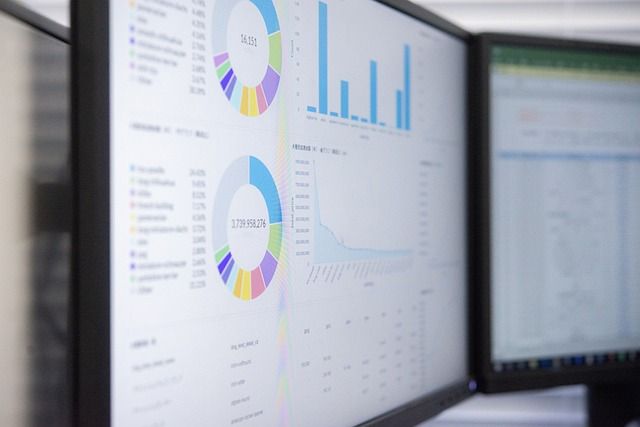
Douyin e-commerce's shelf scenario has captured 30% of total platform GMV, with Douyin Mall GMV surging 277% year-over-year and search-driven GMV growing 159%. Over 56% of merchants now derive more than half their GMV from shelf scenarios. This represents a fundamental shift in how consumers discover and purchase products on social platforms. The era of relying solely on livestream influencers for sales is ending — search and browse are becoming the dominant purchase drivers. For brands, this shift has profound implications for pricing strategy, as shelf-scenario pricing is fundamentally different from livestream flash-sale pricing.
Price Monitoring Across China's E-commerce Ecosystem
China's traditional e-commerce landscape has become increasingly complex with the addition of social commerce platforms. Brands must now monitor prices across at least five major platforms: Taobao/Tmall, JD.com, Pinduoduo, Douyin, and Kuaishou. The challenge is amplified by each platform's unique pricing mechanics — from JD's direct pricing to Pinduoduo's group-buy discounts to Douyin's livestream flash sales. Data indicates that price dispersion across platforms averages 15-25% for identical FMCG products, creating significant brand equity and margin erosion risks.
The Consumer Rights Challenge in Livestream Commerce
A joint report by Zhongxin Jingwei Research Institute and Beijing Sunshine Consumer Big Data Research Institute revealed that marketing and advertising issues account for 27.6% of livestream commerce complaints, making it the industry's biggest pain point. Product quality issues and prohibited goods sales follow closely. This data highlights a critical tension: brands need livestream volume for growth, but unchecked influencer claims destroy long-term brand value. The average speed of negative review propagation is 3.2x faster than positive reviews, making real-time brand protection essential.
Building an Integrated Price Monitoring Framework
Effective price management in China's e-commerce ecosystem requires a three-layer approach. Layer one is real-time price crawling across all major platforms, including authorized and unauthorized sellers. Layer two is anomaly detection algorithms that identify price violations below brand-approved thresholds. Layer three is automated enforcement workflows that trigger platform complaints, seller communications, or price correction requests. Brands that have implemented comprehensive monitoring systems report 35-45% reduction in price violation incidents and a 12-point improvement in channel margin averages.
Strategic Recommendations
Brands should prioritize building a unified pricing intelligence platform that covers all major Chinese e-commerce channels. Key actions: deploy automated price monitoring within 45 days, establish differentiated pricing tiers for shelf vs. livestream scenarios, and create a rapid response protocol for price violations. With Douyin's shelf scenario growing at 277%, brands that fail to adapt their pricing strategies risk losing both margin control and competitive positioning.
Data Sources
Data Sources: Douyin E-commerce official data, Zhongxin Jingwei Research Institute, China Business Network, QuestMobile, company proprietary monitoring data
Statistical Period
Statistical Period: January 2025 — December 2025
Sample Size
SKUs Monitored: 200,000+ | Platforms Covered: Taobao, JD.com, Pinduoduo, Douyin, Kuaishou | Review Samples: 8M+
Analysis Methods
Analysis Methods: Real-time price crawling and comparison, NLP sentiment analysis on reviews, cross-platform price dispersion modeling, anomaly detection algorithms
Frequently Asked Questions
How much of Douyin's GMV comes from shelf scenarios?
A: Shelf scenarios now account for 30% of Douyin's total GMV, with Douyin Mall GMV growing 277% year-over-year and search-driven GMV growing 159%. Over 56% of merchants derive more than half their revenue from shelf scenarios.
What is the biggest problem in livestream e-commerce?
A: Marketing and advertising issues represent 27.6% of consumer complaints, followed by product quality and prohibited goods. The average speed of negative review propagation is 3.2x faster than positive reviews.
How should brands manage pricing across Chinese e-commerce platforms?
A: Brands need a three-layer approach: real-time price crawling across platforms, anomaly detection for violations, and automated enforcement workflows. Price dispersion averages 15-25% across platforms.
What impact does comprehensive price monitoring have?
A: Brands with comprehensive monitoring systems report 35-45% reduction in price violation incidents and 12-point improvement in channel margin averages.
Why is Douyin's shelf scenario growth important for brands?
A: It signals a shift from influencer-driven impulse buying to search-and-browse purchasing. This changes pricing dynamics, as shelf pricing is more stable and competitive than livestream flash-sale pricing.
Sources
- Douyin E-commerce Shelf Scenario GMV Data — China Business Network
- Livestream Commerce Consumer Rights Report 2024 — Zhongxin Jingwei
- Douyin E-commerce External Link Policy — Zhongxin Jingwei
- Alibaba Adjustment Taobao Accelerates Commercialization — China Business Network