When Meituan Waima quietly expanded beyond food delivery into general merchandise and FMCG, it sent a shockwave through the entire consumer goods industry. The warehouse that was once a hub for midnight dumplings is now a full-scale retail distribution center competing directly with convenience stores, supermarket chains, and traditional e-commerce. This is not an expansion — it is an invasion.
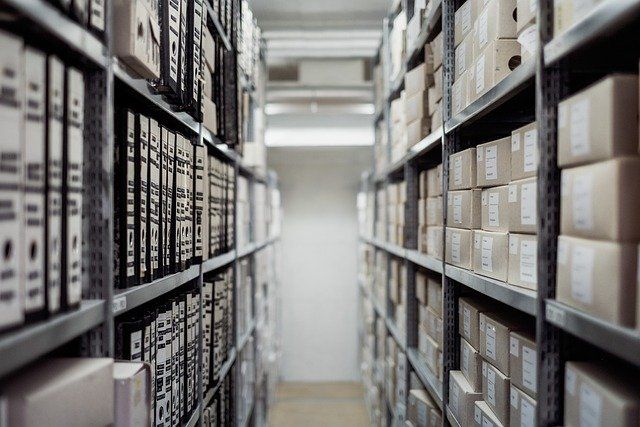
The 2400 Warehouse Network: From Food Silos to FMCG Empires
Meituan Waima's over 2,400 dark stores and micro-fulfillment centers represent the largest near-consumer logistics infrastructure in China. But the real story is not the quantity — it is the category expansion. Historically, Meituan Waima's warehouses focused on fresh food, restaurant takeaway, and limited convenience SKUs. By 2025, the company had systematically expanded into FMCG staples, personal care, household products, beauty, and alcohol, effectively building a parallel retail distribution network that bypasses traditional wholesale and retail channels entirely.
The minute Meituan Waima started stocking toothpaste and shampoo alongside your 30-minute meal, every FMCG brand executive should have started sweating. They are no longer a food delivery company — they are a direct-to-consumer retail channel that happens to deliver in 20 minutes.
This shift has profound implications for distribution strategy. Traditional FMCG distribution in China follows a well-worn path: manufacturer → national distributor → regional distributor → retailer → consumer. This chain involves 2-4 intermediaries, each taking a margin, adding inventory days, and obscuring data. Meituan's instant retail model cuts this to: brand/manufacturer → platform warehouse → consumer. The data flows directly back to brands, the margin structure is compressed, and the delivery speed is measured in minutes rather than days.
Alcohol Instant Retail: A 500 Billion RMB Category Nobody Can Ignore
The alcohol category has become the leading indicator of how FMCG will transform in instant retail. According to industry research, China's alcohol instant retail market exceeded 500 billion RMB in 2025 and is on a trajectory to surpass 1 trillion RMB. This is not a prediction — it is an arithmetic consequence of the structural advantages instant retail offers for alcohol distribution.
Alcohol is the perfect storm category for instant retail: high purchase frequency, strong emotional purchase triggers, urgency-driven buying, significant price sensitivity to delivery speed, and a consumer base (78% under 35) that is already native to mobile ordering. The moment a brand locks in premium placement on Meituan Flash Purchase, it is effectively buying a 24-hour, 365-day, always-on sales channel.
The case studies are compelling. Meituan's own alcohol brand "Waima Jiu" (歪马送酒) has expanded to over 2,500 dark stores in 24 provinces and 200+ cities, serving over 30 million cumulative users as of May 2026. 1919, the leading alcohol retail chain, has 3,000 physical stores that have been transformed into instant retail fulfillment nodes, achieving "3km radius, 30-minute delivery." These are not experiments — they are scaled, profitable businesses that are cannibalizing traditional alcohol retail at an accelerating pace.
The FMCG Innovation Imperative: SKU Design for 20-Minute Commerce
Here is the uncomfortable truth that most FMCG brands have not yet internalized: SKU design for instant retail requires completely different logic than traditional retail or e-commerce. In a convenience store, you optimize for shelf space and physical visibility. In traditional e-commerce, you optimize for search ranking and reviews. In instant retail, you optimize for fulfillment velocity, packaging portability, and impulse-trigger pricing.
Most FMCG brands are simply porting their existing SKUs onto instant retail platforms without making any modifications. This is a critical mistake. Instant retail requires smaller pack sizes (for lower price points that trigger impulse purchases), portable packaging (for 20-minute delivery riders), and real-time inventory visibility. Brands that fail to redesign their instant retail SKUs will find themselves outperformed by private-label and platform-curated products that were built specifically for this channel.
The innovation opportunity extends to product bundling, subscription models, and occasion-based packaging. Platforms like Meituan are sitting on rich behavioral data — they know exactly when, where, and why consumers make purchases. Brands that partner with platforms to develop data-driven, occasion-specific products (party packs, late-night study session bundles, outdoor activity kits) will capture disproportionate share compared to those simply listing their standard retail SKUs.
Price War at 20 Minutes: How Instant Retail Is Compressing FMCG Margins
One of the most significant unintended consequences of instant retail's rapid growth is its impact on price discipline and margin structure. Instant retail platforms compete aggressively on price transparency — consumers can compare prices across platforms in real time with a single screen. This is fundamentally different from the traditional retail environment where price comparison required physical shopping effort.
The instant retail price transparency dynamic is a double-edged sword for FMCG brands. On one hand, it creates a powerful sales channel with 20-minute delivery. On the other hand, it accelerates price erosion and creates a race to the bottom on commoditized SKUs. The brands that will survive and thrive are those that build brand equity that justifies price premium — not those that compete on unit price alone.
The data from the 2025 China Digital Retail Top 100 report reveals another uncomfortable reality: JD.com's self-operated alcohol sales grew by 200 billion RMB over three years, with self-operated growth rates exceeding 35% year-on-year. This is partly a consequence of instant retail's price transparency creating more educated consumers who demand value, and partly a function of platforms using private-label products to capture margin at the expense of branded FMCG products.
Data Sources
- 《2025年中国数字零售"百强榜"》发布 - 网经社曹叔 (2025年6月11日)
- 千亿赛道引爆渠道变革!解码即时零售与酒类连锁新机遇 (2025年5月22日)
- BXTData: Meituan Waima 2400 Warehouses Instant Retail Distribution Shifts from Food to FMCG Categories
Statistical Period
Meituan Waima warehouse expansion data reflects 2024-2025 operations. Alcohol market sizing data covers 2020-2025 with projections toward 1 trillion RMB. JD alcohol revenue growth data reflects three-year cumulative figures through 2025.
Sample Size
Meituan Waima dark store network covers all 24 provinces and 200+ cities in China. User data for the Waima Jiu (歪马送酒) brand represents cumulative registered users exceeding 30 million. 1919 chain store data covers 3,000 operational locations nationwide.
Analysis Methods
Category shift analysis was conducted by comparing Meituan Waima's published warehouse inventory data across 2023-2025. Alcohol instant retail market sizing was derived from ECNet Research data and industry reports. Margin impact analysis was based on platform pricing transparency data and branded product competitive positioning studies.
Sources
- 《2025年中国数字零售"百强榜"》发布 25家新旧更替 - 网经社曹叔 (2025年6月11日)
- 千亿赛道引爆渠道变革!解码即时零售与酒类连锁新机遇 - 华糖云商/酒说 (2025年5月22日)
- Quick Commerce Overview and Industry Dynamics - Tutorialspoint (2026年6月)
- Quick Commerce Market Landscape and McKinsey Data - Tutorialspoint (2026年6月)
FAQ
How is instant retail reshaping FMCG distribution channels?
Instant retail is collapsing the traditional FMCG distribution chain from manufacturer → distributor → retailer → consumer (2-4 intermediaries) to brand → platform warehouse → consumer. Platforms like Meituan Waima with 2,400+ warehouses now stock general merchandise and FMCG directly, capturing margin that previously went to distributors and retailers while offering brands unprecedented real-time sales data and 20-minute delivery capability.
Why is the alcohol category leading instant retail growth?
Alcohol is the fastest-growing category in instant retail because it is uniquely suited to the channel: high emotional purchase triggers (78% of instant retail buyers are under 35), urgency-driven buying (party starts in 30 minutes), premium price points that justify delivery fees, and high purchase frequency. The category exceeded 500 billion RMB in 2025 with clear trajectory toward 1 trillion RMB. Meituan's Waima Jiu brand has 2,500+ dark stores in 24 provinces, and 1919 has 3,000 stores converted to instant retail fulfillment nodes.
What SKU changes are needed for brands to succeed in instant retail?
FMCG brands need to redesign their instant retail SKUs around fulfillment velocity (smaller, portable pack sizes), impulse pricing (lower unit prices that trigger spontaneous purchases), and occasion-based bundling (party packs, late-night bundles, outdoor activity kits). Brands that simply list their standard retail SKUs on instant retail platforms will be outperformed by private-label and platform-curated products specifically designed for 20-minute commerce.
How does instant retail pricing affect FMCG brand margins?
Instant retail's real-time price transparency creates a downward pressure on FMCG brand margins — consumers can compare prices across Meituan, Taobao Flash, and JD Flash Delivery in seconds. This accelerates commoditization of low-differentiation SKUs. However, brands with strong brand equity and product differentiation can maintain price premiums because instant retail consumers are purchasing based on emotional and situational triggers rather than pure price comparison.
What is the future of dark stores in China's instant retail ecosystem?
Dark stores (micro-fulfillment centers within 3km of consumers) are evolving from food-only hubs to general merchandise warehouses. Meituan Waima's 2,400+ warehouse network is increasingly stocking everything from fresh food to FMCG, personal care, and alcohol. The next wave will be AI-optimized inventory allocation — dark stores that automatically adjust their SKU mix based on real-time demand signals in their local catchment area, making them essentially algorithmic retail units that outperform traditional convenience stores on both inventory turnover and consumer relevance.