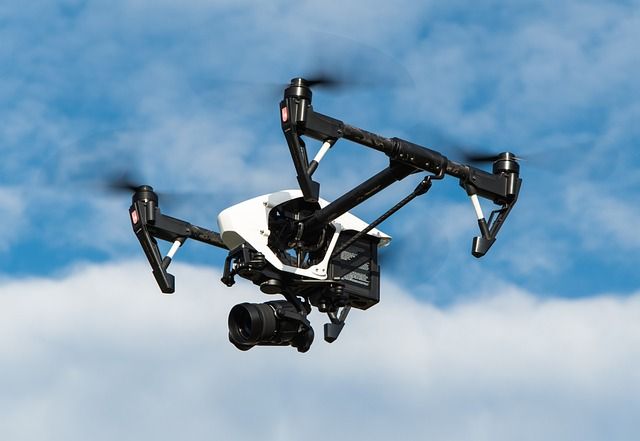
Two numbers, 1 percent and 5 percent, frame the retail problem the latest policy is meant to solve. As of November 10, 2026, nine government departments have published 18 measures that push artificial intelligence, smart warehouses and unmanned delivery deeper into commercial distribution, and the text lands on a market where retail sales of goods rose 1.1 percent year on year to 37 trillion yuan in the first three quarters while retail sales of services grew 5 percent.
What the 18 measures actually touch
The guidelines were issued jointly by nine departments and cover goods consumption, services consumption, commercial distribution, innovative business applications and policy support. The distribution chapter is the one that matters to anyone who runs stores or supplies them: it calls for smart warehouses, intelligent logistics equipment and unmanned delivery, alongside digital upgrades in wholesale and retail. The same document asks for commercial AI agents that handle shopping assistance, business operations and logistics, and it lists embodied intelligence and virtual shopping experiences as supported applications.
Read against the June package from the Ministry of Commerce and seven other departments, which set out 17 measures on artificial intelligence and consumption, the direction is consistent. Policy is no longer only about selling more online; it is about shortening the distance between a shelf and a buyer. That framing matters because the binding constraint in instant retail is not demand generation. It is whether the item a customer wants is on a shelf within reach when the order arrives, which is a distribution question before it is a marketing one.
Unmanned delivery is a cost line before it is a headline
Where the parcel actually waits
Couriers have already moved AI from the back office to the kerb. STO Express runs digital employees on an agent platform that answers enquiries, intercepts abnormal shipments and sequences a courier's stops. JD Logistics uses its Super Brain 3.0 model to forecast order volumes by region and reallocate capacity, and says AI-recommended routes are adopted more than 90.2 percent of the time. YTO Express has embedded more than 100 agents into route optimisation and dispatch, while SF Express is using sales forecasts to move inventory closer to consumers before the peak rather than during it.
The logistics federation numbers explain why this reads as a capacity story rather than a technology story. AI adoption across China's logistics and supply chains has passed 37 percent, with transport at 78 percent and smart warehousing at 47.27 percent. Over the same period the express network handled 151.3 billion parcels in the first nine months of 2026, up 4.3 percent. Growth of that size gets absorbed by productivity, not by hiring, and that is the only reason a 30-minute promise survives a peak.
| Model | Where the stock waits | Promise it can keep | First thing to break |
|---|---|---|---|
| Regional parcel warehouse | Central distribution centre | Next day to two days | Backlog after the peak |
| Store as pick face | Shelf, live stock file required | Two hour to same day | Inventory accuracy |
| Neighbourhood front warehouse | Small facility one to three kilometres out | Under an hour | Capacity ceiling per site |
| Locker or pickup point | Kerbside cabinet | Same day collection | Coverage density |
A front warehouse, or a store that doubles as one, only works when four things line up: inventory data that matches what is physically on the shelf, a demand forecast that stocked the right SKUs before the weekend, order batching that lets one rider serve several nearby addresses, and route planning that survives evening traffic. When one of the four fails, the app quietly shows a later window instead of an apology, and the customer decides whether to wait.
What a brand should be measuring by December
Availability is now a store level number
The useful shift for a consumer goods brand is that availability stops being a national average. In a model where the order is picked from a specific store in a specific hour, an out of stock message is a lost sale that never reaches a regional report. Two figures carry most of the signal: the stockout rate on hero products during the two evening peaks, and the share of campaign volume fulfilled from city stores rather than regional warehouses. Both are operational, and both can be measured without platform cooperation.
There is a caution in the comparison data. Albertsons rebuilt its on-demand entry point in the United States and found that orders placed through a dedicated fast delivery zone reached 35 percent of that service's transactions, with a 15.3 percent conversion rate for visitors to the page, after the option had spent two years buried at checkout. Coresight Research reckons more than a third of American digital grocery shoppers now complete most or all of their online purchases through instant delivery. China's urban density makes the economics easier. It does not make them automatic.
FAQ
Does the policy change what a brand has to do this quarter?
Not directly. The measures set direction and support. The operational work is still store level availability, allocation by trade area and a clean product data feed to the platforms that route orders.
Is unmanned delivery realistic before 2027?
In closed routes, campuses and community pilots, yes. The binding constraints are insurance, kerbside rules and cost per drop, not the vehicle itself.
Why does the gap between goods and services matter?
Because goods retail grew 1.1 percent while services retail grew 5 percent. Volume has to come from serving existing demand faster rather than from a rising tide.