The retail landscape is undergoing a dramatic transformation in 2025, driven by the convergence of instant retail and quick commerce. As consumer expectations for speed and convenience reach unprecedented heights, businesses are reimagining their O2O (Online-to-Offline) strategies to deliver seamless, ultra-fast shopping experiences. This article explores the key trends, technologies, and market dynamics shaping the future of instant retail and quick commerce.
Understanding Instant Retail and Quick Commerce
Instant retail refers to the ability to fulfill consumer purchases within minutes rather than hours or days. This model leverages hyper-local fulfillment centers, advanced inventory management systems, and sophisticated last-mile delivery networks to bring products to consumers' doorsteps at unprecedented speeds. The concept has evolved beyond simple grocery delivery to encompass a wide range of categories including electronics, pharmaceuticals, food and beverage, and everyday essentials.
Quick commerce, often used interchangeably with instant retail, specifically emphasizes the "quick" aspect of commerce—typically defined as delivery within 10-60 minutes of order placement. The quick commerce market has witnessed explosive growth, with global market size estimated to reach $72 billion by 2025, representing a compound annual growth rate (CAGR) of over 40% since 2021.
The O2O integration is central to both concepts. Successful instant retail operations seamlessly blend online ordering platforms with offline fulfillment capabilities. This integration requires sophisticated technology stacks that can handle real-time inventory tracking, dynamic routing optimization, and predictive demand forecasting.
Market Drivers and Consumer Behavior Shifts
Several factors are driving the rapid adoption of instant retail and quick commerce models:
Changing Consumer Expectations: The "I want it now" mentality has become deeply ingrained in consumer behavior, particularly among millennials and Gen Z consumers. The pandemic accelerated this trend, with 73% of consumers reporting that convenience is now more important than price when making purchasing decisions.
Urbanization and Density: High-density urban areas provide the ideal environment for instant retail operations. The concentration of consumers within small geographic areas enables efficient delivery networks and justifies the investment in local fulfillment infrastructure. Cities like Beijing, Shanghai, New York, London, and Singapore have emerged as global hubs for quick commerce innovation.
Technology Advancement: The proliferation of smartphones, improvements in GPS accuracy, and advancements in artificial intelligence have made instant retail operations technically and economically viable. AI-powered demand prediction algorithms can now forecast hyper-local demand patterns with remarkable accuracy, enabling retailers to position inventory strategically.
Competitive Pressure: Traditional retailers are facing intensifying competition from digital-native companies and platform economies. To remain relevant, established players must adapt their O2O strategies to incorporate instant fulfillment capabilities or risk losing market share to more agile competitors.
Key Technology Enablers
The instant retail ecosystem relies on several critical technologies:
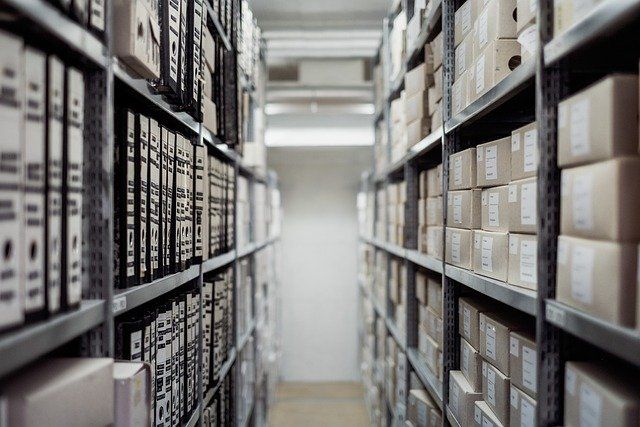
Dark Stores and Micro-Fulfillment Centers: These are retail facilities designed exclusively for online order fulfillment, typically located in urban areas to minimize delivery distances. Dark stores enable retailers to achieve delivery times of 10-30 minutes by positioning inventory within 3-5 kilometers of target consumers.
AI and Machine Learning: Advanced algorithms optimize every aspect of the instant retail value chain—from inventory placement and demand forecasting to route optimization and dynamic pricing. Machine learning models analyze historical data, weather patterns, local events, and seasonal trends to predict demand with increasing precision.
Real-Time Inventory Management: Accurate, real-time inventory tracking is essential for instant retail. Technologies such as RFID, computer vision, and IoT sensors enable retailers to maintain visibility into stock levels across distributed fulfillment networks, preventing stockouts and ensuring order accuracy.
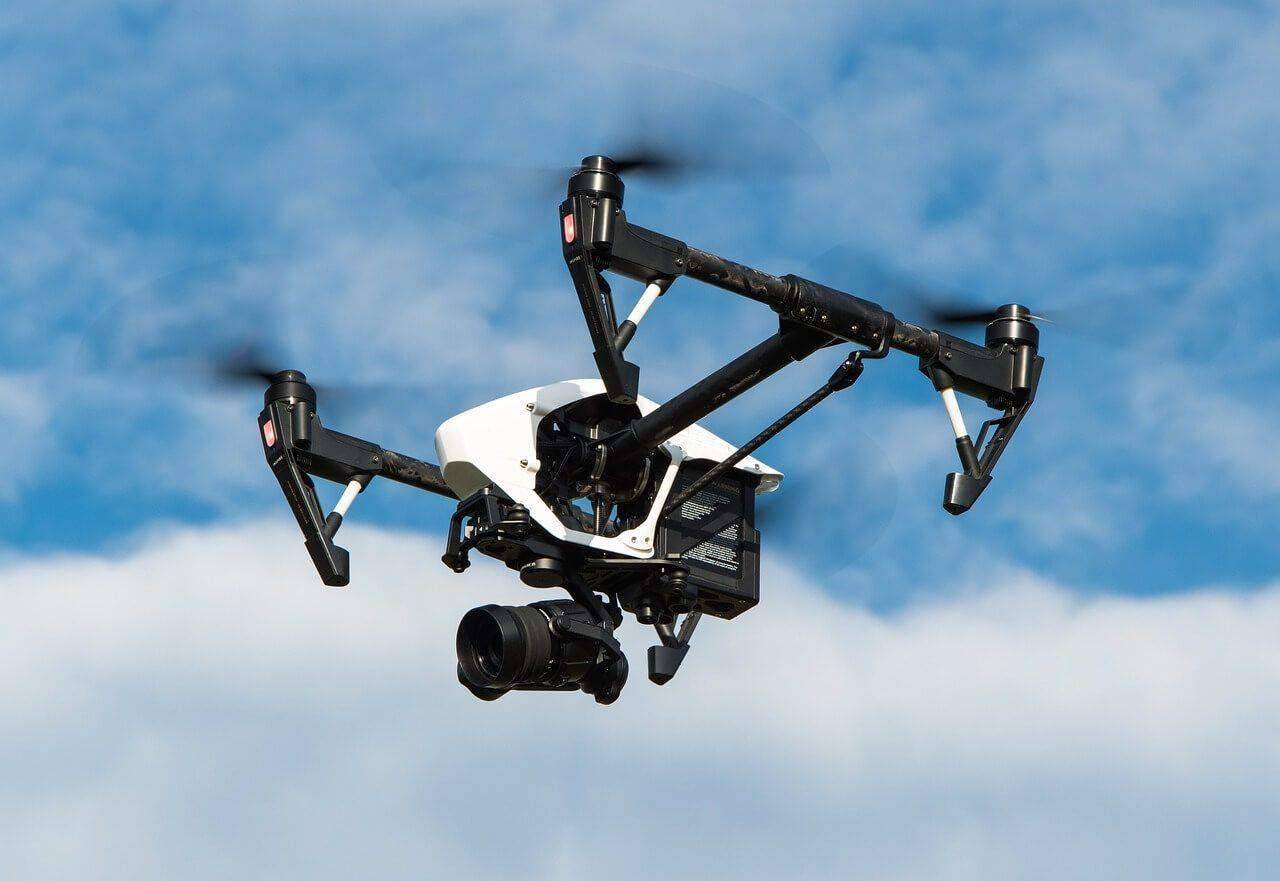
Last-Mile Delivery Innovation: Delivery logistics represent the most challenging and expensive component of instant retail. Companies are experimenting with various solutions including crowdsourced delivery networks, autonomous delivery vehicles, and even drone delivery for specific use cases. The integration of O2O data flows enables dynamic dispatch and route optimization in real-time.
Industry Challenges and Market Dynamics
Despite the tremendous growth potential, the instant retail and quick commerce sectors face significant challenges:
Unit Economics: The cost of fulfilling orders within 30 minutes is substantially higher than traditional e-commerce models. High real estate costs for dark stores, labor costs for pickers and delivery personnel, and technology investments create significant financial pressure. Many quick commerce companies have struggled to achieve profitability, leading to market consolidation and business failures.
Regulatory Environment: Instant retail operations must navigate complex regulatory landscapes, including labor regulations for gig workers, food safety requirements, and urban logistics restrictions. In some markets, regulatory uncertainty has slowed the deployment of instant retail infrastructure.
Sustainability Concerns: The environmental impact of instant retail has come under scrutiny. High-frequency, low-volume deliveries generate significant carbon emissions and packaging waste. Leading companies are investing in sustainable delivery solutions, including electric vehicle fleets, reusable packaging systems, and consolidation strategies to reduce environmental footprint.
Market Saturation: In major urban markets, the quick commerce space has become increasingly crowded, with multiple players competing for the same customer base. This intensifying competition has led to aggressive customer acquisition spending, eroding unit economics and forcing industry consolidation.
Strategic Implications for O2O Retail
For retailers developing O2O strategies, the rise of instant retail presents both opportunities and imperatives:
Omnichannel Integration: Successful O2O strategies must seamlessly integrate online and offline channels. This requires breaking down organizational silos and creating unified technology platforms that provide consistent customer experiences across touchpoints.
Data-Driven Decision Making: The instant retail model generates vast amounts of data on consumer behavior, preferences, and purchasing patterns. Retailers that effectively leverage this data gain significant competitive advantages in personalization, inventory optimization, and customer retention.
Partnership Strategies: Many retailers are opting to partner with established quick commerce platforms rather than building instant fulfillment capabilities in-house. These partnerships enable retailers to extend their market reach and offer instant delivery without massive capital investments.
Customer Experience Focus: In the instant retail era, customer experience extends beyond the product itself to encompass the entire purchase journey—from discovery and ordering to fulfillment and post-purchase service. O2O strategies must prioritize seamless, friction-free experiences that meet consumers' escalating expectations for speed and convenience.
Frequently Asked Questions
What is the difference between instant retail and quick commerce?
While often used interchangeably, instant retail is a broader concept encompassing any retail model that emphasizes immediate product availability and fulfillment. Quick commerce specifically refers to the ultra-fast delivery component, typically within 10-60 minutes of order placement.
Which markets are leading in instant retail adoption?
China, particularly Beijing and Shanghai, leads in instant retail adoption, followed by major European and North American cities. The model is gaining traction in Southeast Asian markets like Singapore and Jakarta, as well as in Middle Eastern urban centers.
How are traditional retailers adapting to quick commerce?
Traditional retailers are adopting multiple strategies: partnering with quick commerce platforms, converting existing stores into micro-fulfillment centers, acquiring quick commerce startups, and developing proprietary instant delivery capabilities.
What are the main challenges facing instant retail companies?
Key challenges include achieving unit economic profitability, managing last-mile delivery costs, navigating regulatory requirements, addressing sustainability concerns, and differentiating in increasingly crowded markets.
How will instant retail evolve in the next 3-5 years?
The sector is expected to consolidate around fewer, stronger players. Technology improvements in AI, robotics, and delivery logistics will improve unit economics. Sustainability will become a key differentiator, and we may see the emergence of new fulfillment models such as crowd-sourced local production and 3D printing for certain product categories.
Sources
1. McKinsey & Company - "The Future of Quick Commerce" (2024)
2. Deloitte - "Global Powers of Retailing 2025"
3. PwC - "Retail Trends 2025: The Instant Economy"
4. Nielsen IQ - "Consumer Shopping Behavior Report 2025"
5. Euromonitor International - "Quick Commerce: Market Sizing and Forecast"